Visualizzazione post con etichetta culture. Mostra tutti i post

Sea Creatures And Soju Shots: A Korean School Dinner

Before we had hit the interstate the first calls for “one shot” rang out in the back of the bus. Seated at a makeshift table next to the highly revered principal of the school, I looked at the clear liquid petrol sloshing in my small shot glass, took a deep breath, and swallowed down any reservations along with the soju. Instantly, the fluid took control of me, burning every inch of my throat on its way down to my very core, rattling me into a cold spasm reaction.

Nearly two months had passed since arriving to teach English in rural Korea, my first time living abroad, and they had been months filled with bouts of isolation, confusion, exhaustion, and excitement. Even the simplest of daily errands required Goliath like mental strength. The intricate and complex script and language loomed over my head, while the lack of human interaction weighed on my shoulders.

Shots of Korean soju are accepted as dinner arrives

“Kon bae!!” and more drinks were poured to kick off the annual ‘Jumbong Elementary Staff Friendship Trip.’ Bewildered as I set my glass down, it was soon explained to me that this custom of teacher dinners occurs monthly. Since this was my first trip with the school, the friendship committee selected a special restaurant on the rocky coast of the East Sea, a two hour drive away.

Inside the coach bus, over thirty staff members from the school sat beneath an attempt at disco era, dimly lit colored lights. The men were privy to the rear of the bus, where the final six rows of uncomfortable bus seats were arranged to face each other around a small table. The women mechanically settled in, two by two, for a nap in the less social seats towards the front.

Korean drinking etiquette involves pouring and accepting drinks as a sign of mutual respect. The routine throughout the bus ride consisted of some yelling and a group shot, followed by snacking on dried squid and slices of pork ankle meat. A person would then volunteer to graciously fill up the principal’s glass and the exercise would begin again.

Giant vats of what will soon be dinner

Dusk was settling down upon a dimly lit parking area when we finally rolled to a stop. The staff disembarked the bus, falling in line towards a staircase taking them up the side of what looked like an abandoned warehouse.

Entering in an alcohol induced haze, I maneuvered around the bedroom sized tanks of eels, reservoirs holding every kind of fish, vats everywhere overflowing with mollusk creatures. My eyes were assaulted by the myriad of sea life in one building, and the organized chaos of the knife-wielding workers.

“Dinner?” I asked a fellow teacher, pointing to an aquarium busy with intertwining eels.

“Delicious,” was the reply, and we headed upstairs.

I staggered into the restaurant to be greeted by more raised glasses pointing in my direction from the staff. Six shot glasses were shoved in my face, and a chorus of, ‘kon bae,’ from all the staff. I grabbed a glass and unleashed what I thought to be a ‘cheers’ to the crowd. I was met with a roar of approval as I dropped the shot down my throat, and settled my numbing body in at the dinner table.

Six plates of beautifully presented sea creatures and raw fish were brought to the restaurant from the market below, and set out in front of me. A fully functioning crab rested on the first plate, snails in full armor steamed on another, and closest to me held what looked like slivers of a thick, goiter pocked skin, dribbled with a clear, viscous fluid. My neighbor’s eyes opened wide at this. He quickly bypassed several plates to grab this entree and slurped down its liquidy contents.

I leaned to my left, nudged my fellow teacher, Mr. Science Kim, my name for him to differentiate between the vast number of Mr. and Mrs. Kims working at the school. Concentrating every ounce of energy to move my lips, I asked, “What do you call all of this?”

In alcohol improved English, he began, “This is snail of ocean, this crab. I show you how to eat. Here, I believe, cuttlefish. This, I don’t know, but delicious. Halibut, and ah… Do you know blower fish?” He blew air into his full cheeks making it instantly recognizable.

“Puffer fish?”

“Yes, yes. Only a little bit poisonous, not to worry.”

“That fish is poisonous?” I said trying to come to terms with the impending meal.

Appearing out of thin air, the waitress dropped what looked like a camping stove in front of me. My eyes fixated on the worn black knob of the contraption as my head tilted from side to side trying grasp, both what I was to do with the only cooker at the table, and how to properly operate it in my present state.

“Can I help you?”

I glanced up to see the tell tale black baseball hat with the superman logo, Superman Kim. A genuine smile spread across his face, he stretched his hand out in my direction. Up until now, I had thought of him as merely the energetic fourth grade teacher that made sure his class arrived to English class on time.

Guiding me through the process of drunkenly cooking a sea smorgasbord stew, we spoke in English, mine fluent and natural, his surfacing despite a cloak of shyness and lack of confidence.

“Koreans are very shy, that is why we don’t speak to you. But we are very curious.” He paused, reflectively, “Soju is a good English teacher.” We laughed.

“Much, better than I am, I think.”

Between tossing clams in the boiling pot, he shared pictures of his newborn daughter on his phone. Flipping through the pictures, he paused, a faraway look in his eyes. “Oh, she is so cute. My dream.”

“Superman, I want to pour you a shot. What is the Korean word for respect?”

“There is a Korean word – we say ‘Jung.’ Its meaning is hard to describe. When we first meet people we have a duty of respect, almost like a brother. We will help you. We will take care of you. It is our pleasure.”

“Gamsa hamnida (thank you), Superman, I have much jung for you.”

“Mr. Wick, you are a good ambassador for America. I hope you enjoy Korea enough to do the same for it. Kon bae.”

Leaving the restaurant at the end of the evening, weakened by endless amounts of soju, we threw our arms around each other, partly out of necessity, but more so out of respect.
Sea Creatures And Soju Shots: A Korean School Dinner

Before we had hit the interstate the first calls for “one shot” rang out in the back of the bus. Seated at a makeshift table next to the highly revered principal of the school, I looked at the clear liquid petrol sloshing in my small shot glass, took a deep breath, and swallowed down any reservations along with the soju. Instantly, the fluid took control of me, burning every inch of my throat on its way down to my very core, rattling me into a cold spasm reaction.

Nearly two months had passed since arriving to teach English in rural Korea, my first time living abroad, and they had been months filled with bouts of isolation, confusion, exhaustion, and excitement. Even the simplest of daily errands required Goliath like mental strength. The intricate and complex script and language loomed over my head, while the lack of human interaction weighed on my shoulders.

Shots of Korean soju are accepted as dinner arrives

“Kon bae!!” and more drinks were poured to kick off the annual ‘Jumbong Elementary Staff Friendship Trip.’ Bewildered as I set my glass down, it was soon explained to me that this custom of teacher dinners occurs monthly. Since this was my first trip with the school, the friendship committee selected a special restaurant on the rocky coast of the East Sea, a two hour drive away.

Inside the coach bus, over thirty staff members from the school sat beneath an attempt at disco era, dimly lit colored lights. The men were privy to the rear of the bus, where the final six rows of uncomfortable bus seats were arranged to face each other around a small table. The women mechanically settled in, two by two, for a nap in the less social seats towards the front.

Korean drinking etiquette involves pouring and accepting drinks as a sign of mutual respect. The routine throughout the bus ride consisted of some yelling and a group shot, followed by snacking on dried squid and slices of pork ankle meat. A person would then volunteer to graciously fill up the principal’s glass and the exercise would begin again.

Giant vats of what will soon be dinner

Dusk was settling down upon a dimly lit parking area when we finally rolled to a stop. The staff disembarked the bus, falling in line towards a staircase taking them up the side of what looked like an abandoned warehouse.

Entering in an alcohol induced haze, I maneuvered around the bedroom sized tanks of eels, reservoirs holding every kind of fish, vats everywhere overflowing with mollusk creatures. My eyes were assaulted by the myriad of sea life in one building, and the organized chaos of the knife-wielding workers.

“Dinner?” I asked a fellow teacher, pointing to an aquarium busy with intertwining eels.

“Delicious,” was the reply, and we headed upstairs.

I staggered into the restaurant to be greeted by more raised glasses pointing in my direction from the staff. Six shot glasses were shoved in my face, and a chorus of, ‘kon bae,’ from all the staff. I grabbed a glass and unleashed what I thought to be a ‘cheers’ to the crowd. I was met with a roar of approval as I dropped the shot down my throat, and settled my numbing body in at the dinner table.

Six plates of beautifully presented sea creatures and raw fish were brought to the restaurant from the market below, and set out in front of me. A fully functioning crab rested on the first plate, snails in full armor steamed on another, and closest to me held what looked like slivers of a thick, goiter pocked skin, dribbled with a clear, viscous fluid. My neighbor’s eyes opened wide at this. He quickly bypassed several plates to grab this entree and slurped down its liquidy contents.

I leaned to my left, nudged my fellow teacher, Mr. Science Kim, my name for him to differentiate between the vast number of Mr. and Mrs. Kims working at the school. Concentrating every ounce of energy to move my lips, I asked, “What do you call all of this?”

In alcohol improved English, he began, “This is snail of ocean, this crab. I show you how to eat. Here, I believe, cuttlefish. This, I don’t know, but delicious. Halibut, and ah… Do you know blower fish?” He blew air into his full cheeks making it instantly recognizable.

“Puffer fish?”

“Yes, yes. Only a little bit poisonous, not to worry.”

“That fish is poisonous?” I said trying to come to terms with the impending meal.

Appearing out of thin air, the waitress dropped what looked like a camping stove in front of me. My eyes fixated on the worn black knob of the contraption as my head tilted from side to side trying grasp, both what I was to do with the only cooker at the table, and how to properly operate it in my present state.

“Can I help you?”

I glanced up to see the tell tale black baseball hat with the superman logo, Superman Kim. A genuine smile spread across his face, he stretched his hand out in my direction. Up until now, I had thought of him as merely the energetic fourth grade teacher that made sure his class arrived to English class on time.

Guiding me through the process of drunkenly cooking a sea smorgasbord stew, we spoke in English, mine fluent and natural, his surfacing despite a cloak of shyness and lack of confidence.

“Koreans are very shy, that is why we don’t speak to you. But we are very curious.” He paused, reflectively, “Soju is a good English teacher.” We laughed.

“Much, better than I am, I think.”

Between tossing clams in the boiling pot, he shared pictures of his newborn daughter on his phone. Flipping through the pictures, he paused, a faraway look in his eyes. “Oh, she is so cute. My dream.”

“Superman, I want to pour you a shot. What is the Korean word for respect?”

“There is a Korean word – we say ‘Jung.’ Its meaning is hard to describe. When we first meet people we have a duty of respect, almost like a brother. We will help you. We will take care of you. It is our pleasure.”

“Gamsa hamnida (thank you), Superman, I have much jung for you.”

“Mr. Wick, you are a good ambassador for America. I hope you enjoy Korea enough to do the same for it. Kon bae.”

Leaving the restaurant at the end of the evening, weakened by endless amounts of soju, we threw our arms around each other, partly out of necessity, but more so out of respect.
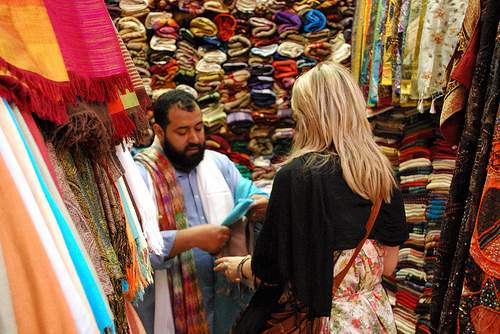
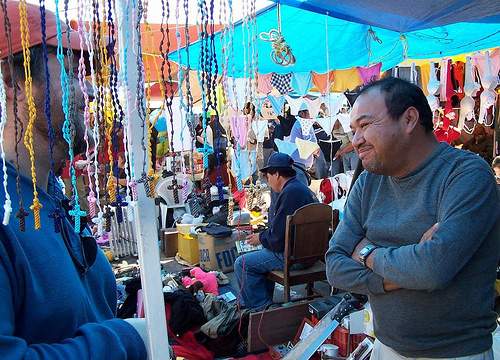
Tourism art in stalwart developing nation.

Even if you’re one of those travelers who believe culture shock to be a myth created by those unskilled at adaptation, there are none-the-less considerations to be made when venturing outside the realm of your city guides.

The developing world may proffer a dream-team of ‘off-the-beaten-track’ destinations, but being one of few tourists in a region carries responsibilities of its own. Traveling in some of the world’s poorest countries is as challenging as it is rewarding and planning your trip can be a balancing act: how to stay safe but still embrace the unknown; how to promote sustainable tourism when faced with heart-wrenching poverty; how to adopt local customs but maintain both your dignity and sanity; how not to end up with an extortionately-priced Persian carpet strapped to the back of your backpack.

It may all be part of the experience but there are a few tricks to mastering the art of the unknown.

The art of alternative hygiene

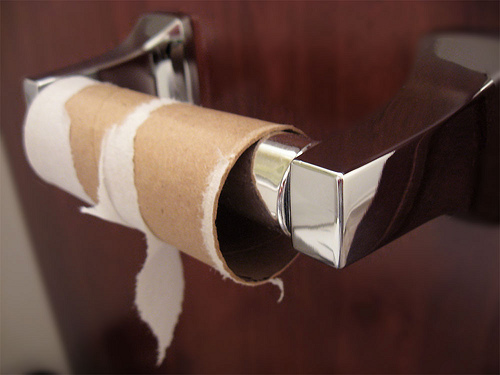
Long-drops, bucket baths and roadside squatting all add priceless value to your culture-sampling portfolio and a foray into the developing world wouldn’t be complete without at least one mercilessly hilarious tale of slipping, sliding or miss-shooting. The key is to embrace, rather than resist, the changes. Ditch the toilet paper where possible; squat as low as you can to avoid balance mishaps and revel in the triumph of multi-tasking – lathering hair with one hand while maintaining a slow and steady pour of scooped water is a feat to be proud of. And on the plus side, squat toilets are excellent for thigh muscles.

The art of the journey

Roads, in particular those of smooth tarmac and gently rounded bends, are generally a western invention, and while road quality is improving in many areas of the world, road safety, reliability and comfort are still simmering between just-bearable and agonizingly insufferable.

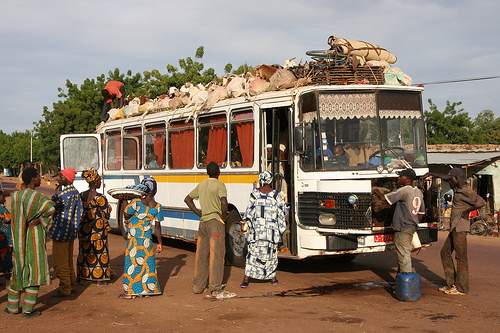
A bus is not deemed full until every cubic inch of air has been crammed with sweating torsos or suspiciously bleating cargo. Seats are available for only the early arrivals (and yes, you will be made to stand or crouch in the aisle for an entire 10 hour journey) and you have zero hope of reclaiming your seat if you move. You may be lucky enough not to have a sickly child slobbering on your lap or a piglet nibbling your flip-flops. But don’t bet on it.

To ease the ride a little, sit nearer the front (back wheels are most uncomfortable and most difficult to navigate out of on pit-stops), take a sarong to pee behind (toilet stops rarely involve actual toilets), carry a hand-fan (expecting the air-con to actually blow out cold air is a classic first-timers mistake) and make friends with your other passengers – a pack of biscuits or fruit offered around during the inevitable hours-long delays will do wonders for your popularity.

The art of eating without utensils (and/or knowledge of what it is you’re eating)

There is something oddly mesmerizing about watching an entire family scoop and shovel a medley of foodstuffs into their mouths without dropping a single grain of rice. Like chopstick-mastery and de-boning a fish with your teeth, it’s one of those skills that looks so simple but yet remains wholly unattainable.

The etiquette is generally to use your right hand for eating and your left only for holding the bowl or picking up your glass/napkin (the left hand is reserved for toilet duties in many countries, so this is a rule worth sticking to). Use your first two fingers and thumb to create a shovel-like motion; the quicker your hands move, the less you will spill (particularly notable with rice). Ball up rice or bread to mop sauces or fold around more soluble ingredients, tear meat off the bone with your teeth and if you’re making a mess try lifting the bowl up to your chin or bending your head right over your plate. As for what it is you’re actually eating, well, that’s a conversation best left until afterwards.

The art of multi-lingual communication

Foreign travel wouldn’t be half as fun without the wordless charades that find you flapping your arms and laughing maniacally at passersby who quite possibly have no idea where the bus station is. Best to check your embarrassment at the door, learn to laugh at yourself, smile incessantly (through gritted teeth if necessary) and try not to get angry when an entire village cannot muster one word of English between them. On the other hand, don’t assume that because they say they can speak English, that they can, in fact, speak English. Yes, no, maybe, left, right and now (all essentials, I’m sure you’ll agree) are seemingly interchangeable in many countries, so be patient. Smile. Nod. Breathe. And expect to be sent in the complete opposite direction or end up with a bowl of mystery meat soup. It happens to the best of us.

The art of preparation

Preparing for the inevitable lack of amenities is essential – many remote areas don’t have electricity or running water and even heavily-touristed areas may have limited usage. Charge your phone/camera/ipod whenever you get lucky with a decent power supply, pack a wind-up torch and make sure you’re back in your room before the lights go out. To be extra-organized put together a survival kit of clothes detergent, water purification tablets, toilet paper, baby wipes and spare cash. Expect the bare minimum and you’ll enjoy the rare joy of a hot shower all the more.

The art of spending your money wisely

One of the most challenging aspects of traveling in poorer countries is coping with the staggering difference in wealth. It’s as easy to become hardened to the plight of the window-rappers and sleeve-tuggers, as it is to dish out dollars to every bedraggled street-kid who crosses your path. Search out opportunities to promote sustainable tourism and support local communities without encouraging the begging culture. Consider that while your budget may call for cutbacks, each time you take a tuk-tuk, use laundry services or buy food from a street vendor, you’re creating honest work for someone. Seek out those less-affiliated with the tourist industry (non-English speakers, for example, often miss out of the tourist trade) and source restaurants, guesthouses and souvenir stores run by local families or NGO’s.

A compromise can be made by donating old clothes, books or appliances to locals to either use or sell (last trip, I took several pairs of shoes to a street tailor to repair and sell on and donated my sleeping bag to a homeless couple) but be especially wary of giving anything to kids – even dishing out sweets or pens can sometimes encourage begging habits that are hard to break.

The art of dealing with corruption

Whether it’s the extra dollars you slip in your passport at immigration, the peso you toss to the bus boy or the plethora of tips and bribes you’ll need to dole out throughout your travels, hard cash is definitely the currency of the developing world. Although avoiding bribes and surcharges is a near-impossible feat, you can control how much and to whom, you pay. Training an eye on the locals and sliding a similar amount over without question will trick the receiver into thinking you know the ‘correct’ price and may dodge the obligatory foreigner tax. If the locals aren’t paying up, there’s a safe bet for contesting the payment – the exception being the police. Ask around other travelers and locals so you have an idea of bribe amounts before you find yourself hauled off your rented motorcycle at 3am by a machete-armed ranger. If in doubt, just pay – no amount of dollars will take back the nights spent in a dingy jail cell for crimes unknown.

The art of patience

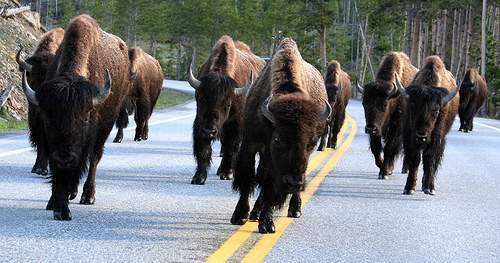
It can take at least an hour to clear a herd of buffalo off the road, twice as long to change the bus tires mid-trip and up to a day to locate international mail at the local post office – in fact, nothing seems to happen outside the western world without a painfully long wait. There’s absolutely nothing you can do about it, so look on it as an opportunity to update the travel journal.

The art of getting ripped off gracefully

Whether haggling over candlesticks in the depths of souks or bartering with toothless street hawkers over the inflated price of a corn fritter, getting conned out of a few extra dollars is an unfortunate part of the backpacking experience. Fine-tune your bargaining skills by listening in on other transactions for a ballpark figure and start your offers at around 2/3 of the price you want to pay. Fair or not, as a foreigner you will always be expected to pay more than a local but that doesn’t mean you can’t secure a bargain through some fair yet ruthless haggling. On the other hand, don’t be afraid to say no – it doesn’t matter whether they’ve driven you there, plied you with free tea or have the power of persuasion – it’s your choice whether or not to hand over the cash. Smile, firmly state you are not interested and walk away quickly.

The art of self-medication

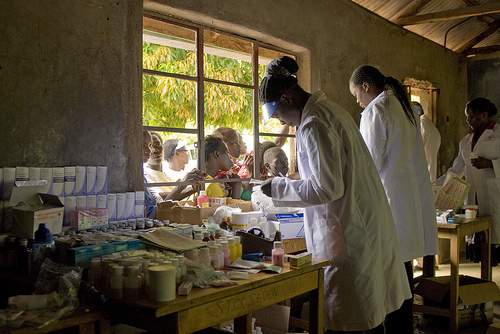
Although third world medical care is not always as squalid as insurance brokers would have you believe, it’s wise to prepare for the worst. Secure foolproof travel insurance, carry the obligatory traveler first aid kit (including extra supplies of any prescription medications) and tackle any potential problems immediately, particularly if traveling in rural areas. Although self-medication isn’t always recommended, most common prescription medications – antibiotics, valium, codeine – are available over the counter in a lot of countries and carrying a supply when traveling outside of the big cities could be a life-saver.

Tourism art in stalwart developing nation.

Even if you’re one of those travelers who believe culture shock to be a myth created by those unskilled at adaptation, there are none-the-less considerations to be made when venturing outside the realm of your city guides.

The developing world may proffer a dream-team of ‘off-the-beaten-track’ destinations, but being one of few tourists in a region carries responsibilities of its own. Traveling in some of the world’s poorest countries is as challenging as it is rewarding and planning your trip can be a balancing act: how to stay safe but still embrace the unknown; how to promote sustainable tourism when faced with heart-wrenching poverty; how to adopt local customs but maintain both your dignity and sanity; how not to end up with an extortionately-priced Persian carpet strapped to the back of your backpack.

It may all be part of the experience but there are a few tricks to mastering the art of the unknown.

The art of alternative hygiene

Long-drops, bucket baths and roadside squatting all add priceless value to your culture-sampling portfolio and a foray into the developing world wouldn’t be complete without at least one mercilessly hilarious tale of slipping, sliding or miss-shooting. The key is to embrace, rather than resist, the changes. Ditch the toilet paper where possible; squat as low as you can to avoid balance mishaps and revel in the triumph of multi-tasking – lathering hair with one hand while maintaining a slow and steady pour of scooped water is a feat to be proud of. And on the plus side, squat toilets are excellent for thigh muscles.

The art of the journey

Roads, in particular those of smooth tarmac and gently rounded bends, are generally a western invention, and while road quality is improving in many areas of the world, road safety, reliability and comfort are still simmering between just-bearable and agonizingly insufferable.

A bus is not deemed full until every cubic inch of air has been crammed with sweating torsos or suspiciously bleating cargo. Seats are available for only the early arrivals (and yes, you will be made to stand or crouch in the aisle for an entire 10 hour journey) and you have zero hope of reclaiming your seat if you move. You may be lucky enough not to have a sickly child slobbering on your lap or a piglet nibbling your flip-flops. But don’t bet on it.

To ease the ride a little, sit nearer the front (back wheels are most uncomfortable and most difficult to navigate out of on pit-stops), take a sarong to pee behind (toilet stops rarely involve actual toilets), carry a hand-fan (expecting the air-con to actually blow out cold air is a classic first-timers mistake) and make friends with your other passengers – a pack of biscuits or fruit offered around during the inevitable hours-long delays will do wonders for your popularity.

The art of eating without utensils (and/or knowledge of what it is you’re eating)

There is something oddly mesmerizing about watching an entire family scoop and shovel a medley of foodstuffs into their mouths without dropping a single grain of rice. Like chopstick-mastery and de-boning a fish with your teeth, it’s one of those skills that looks so simple but yet remains wholly unattainable.

The etiquette is generally to use your right hand for eating and your left only for holding the bowl or picking up your glass/napkin (the left hand is reserved for toilet duties in many countries, so this is a rule worth sticking to). Use your first two fingers and thumb to create a shovel-like motion; the quicker your hands move, the less you will spill (particularly notable with rice). Ball up rice or bread to mop sauces or fold around more soluble ingredients, tear meat off the bone with your teeth and if you’re making a mess try lifting the bowl up to your chin or bending your head right over your plate. As for what it is you’re actually eating, well, that’s a conversation best left until afterwards.

The art of multi-lingual communication

Foreign travel wouldn’t be half as fun without the wordless charades that find you flapping your arms and laughing maniacally at passersby who quite possibly have no idea where the bus station is. Best to check your embarrassment at the door, learn to laugh at yourself, smile incessantly (through gritted teeth if necessary) and try not to get angry when an entire village cannot muster one word of English between them. On the other hand, don’t assume that because they say they can speak English, that they can, in fact, speak English. Yes, no, maybe, left, right and now (all essentials, I’m sure you’ll agree) are seemingly interchangeable in many countries, so be patient. Smile. Nod. Breathe. And expect to be sent in the complete opposite direction or end up with a bowl of mystery meat soup. It happens to the best of us.

The art of preparation

Preparing for the inevitable lack of amenities is essential – many remote areas don’t have electricity or running water and even heavily-touristed areas may have limited usage. Charge your phone/camera/ipod whenever you get lucky with a decent power supply, pack a wind-up torch and make sure you’re back in your room before the lights go out. To be extra-organized put together a survival kit of clothes detergent, water purification tablets, toilet paper, baby wipes and spare cash. Expect the bare minimum and you’ll enjoy the rare joy of a hot shower all the more.

The art of spending your money wisely

One of the most challenging aspects of traveling in poorer countries is coping with the staggering difference in wealth. It’s as easy to become hardened to the plight of the window-rappers and sleeve-tuggers, as it is to dish out dollars to every bedraggled street-kid who crosses your path. Search out opportunities to promote sustainable tourism and support local communities without encouraging the begging culture. Consider that while your budget may call for cutbacks, each time you take a tuk-tuk, use laundry services or buy food from a street vendor, you’re creating honest work for someone. Seek out those less-affiliated with the tourist industry (non-English speakers, for example, often miss out of the tourist trade) and source restaurants, guesthouses and souvenir stores run by local families or NGO’s.

A compromise can be made by donating old clothes, books or appliances to locals to either use or sell (last trip, I took several pairs of shoes to a street tailor to repair and sell on and donated my sleeping bag to a homeless couple) but be especially wary of giving anything to kids – even dishing out sweets or pens can sometimes encourage begging habits that are hard to break.

The art of dealing with corruption

Whether it’s the extra dollars you slip in your passport at immigration, the peso you toss to the bus boy or the plethora of tips and bribes you’ll need to dole out throughout your travels, hard cash is definitely the currency of the developing world. Although avoiding bribes and surcharges is a near-impossible feat, you can control how much and to whom, you pay. Training an eye on the locals and sliding a similar amount over without question will trick the receiver into thinking you know the ‘correct’ price and may dodge the obligatory foreigner tax. If the locals aren’t paying up, there’s a safe bet for contesting the payment – the exception being the police. Ask around other travelers and locals so you have an idea of bribe amounts before you find yourself hauled off your rented motorcycle at 3am by a machete-armed ranger. If in doubt, just pay – no amount of dollars will take back the nights spent in a dingy jail cell for crimes unknown.

The art of patience

It can take at least an hour to clear a herd of buffalo off the road, twice as long to change the bus tires mid-trip and up to a day to locate international mail at the local post office – in fact, nothing seems to happen outside the western world without a painfully long wait. There’s absolutely nothing you can do about it, so look on it as an opportunity to update the travel journal.

The art of getting ripped off gracefully

Whether haggling over candlesticks in the depths of souks or bartering with toothless street hawkers over the inflated price of a corn fritter, getting conned out of a few extra dollars is an unfortunate part of the backpacking experience. Fine-tune your bargaining skills by listening in on other transactions for a ballpark figure and start your offers at around 2/3 of the price you want to pay. Fair or not, as a foreigner you will always be expected to pay more than a local but that doesn’t mean you can’t secure a bargain through some fair yet ruthless haggling. On the other hand, don’t be afraid to say no – it doesn’t matter whether they’ve driven you there, plied you with free tea or have the power of persuasion – it’s your choice whether or not to hand over the cash. Smile, firmly state you are not interested and walk away quickly.

The art of self-medication

Although third world medical care is not always as squalid as insurance brokers would have you believe, it’s wise to prepare for the worst. Secure foolproof travel insurance, carry the obligatory traveler first aid kit (including extra supplies of any prescription medications) and tackle any potential problems immediately, particularly if traveling in rural areas. Although self-medication isn’t always recommended, most common prescription medications – antibiotics, valium, codeine – are available over the counter in a lot of countries and carrying a supply when traveling outside of the big cities could be a life-saver.

Sea Creatures And Soju Shots: A Korean School Dinner

Before we had hit the interstate the first calls for “one shot” rang out in the back of the bus. Seated at a makeshift table next to the highly revered principal of the school, I looked at the clear liquid petrol sloshing in my small shot glass, took a deep breath, and swallowed down any reservations along with the soju. Instantly, the fluid took control of me, burning every inch of my throat on its way down to my very core, rattling me into a cold spasm reaction.

Nearly two months had passed since arriving to teach English in rural Korea, my first time living abroad, and they had been months filled with bouts of isolation, confusion, exhaustion, and excitement. Even the simplest of daily errands required Goliath like mental strength. The intricate and complex script and language loomed over my head, while the lack of human interaction weighed on my shoulders.

Shots of Korean soju are accepted as dinner arrives

“Kon bae!!” and more drinks were poured to kick off the annual ‘Jumbong Elementary Staff Friendship Trip.’ Bewildered as I set my glass down, it was soon explained to me that this custom of teacher dinners occurs monthly. Since this was my first trip with the school, the friendship committee selected a special restaurant on the rocky coast of the East Sea, a two hour drive away.

Inside the coach bus, over thirty staff members from the school sat beneath an attempt at disco era, dimly lit colored lights. The men were privy to the rear of the bus, where the final six rows of uncomfortable bus seats were arranged to face each other around a small table. The women mechanically settled in, two by two, for a nap in the less social seats towards the front.

Korean drinking etiquette involves pouring and accepting drinks as a sign of mutual respect. The routine throughout the bus ride consisted of some yelling and a group shot, followed by snacking on dried squid and slices of pork ankle meat. A person would then volunteer to graciously fill up the principal’s glass and the exercise would begin again.

Giant vats of what will soon be dinner

Dusk was settling down upon a dimly lit parking area when we finally rolled to a stop. The staff disembarked the bus, falling in line towards a staircase taking them up the side of what looked like an abandoned warehouse.

Entering in an alcohol induced haze, I maneuvered around the bedroom sized tanks of eels, reservoirs holding every kind of fish, vats everywhere overflowing with mollusk creatures. My eyes were assaulted by the myriad of sea life in one building, and the organized chaos of the knife-wielding workers.

“Dinner?” I asked a fellow teacher, pointing to an aquarium busy with intertwining eels.

“Delicious,” was the reply, and we headed upstairs.

I staggered into the restaurant to be greeted by more raised glasses pointing in my direction from the staff. Six shot glasses were shoved in my face, and a chorus of, ‘kon bae,’ from all the staff. I grabbed a glass and unleashed what I thought to be a ‘cheers’ to the crowd. I was met with a roar of approval as I dropped the shot down my throat, and settled my numbing body in at the dinner table.

Six plates of beautifully presented sea creatures and raw fish were brought to the restaurant from the market below, and set out in front of me. A fully functioning crab rested on the first plate, snails in full armor steamed on another, and closest to me held what looked like slivers of a thick, goiter pocked skin, dribbled with a clear, viscous fluid. My neighbor’s eyes opened wide at this. He quickly bypassed several plates to grab this entree and slurped down its liquidy contents.

I leaned to my left, nudged my fellow teacher, Mr. Science Kim, my name for him to differentiate between the vast number of Mr. and Mrs. Kims working at the school. Concentrating every ounce of energy to move my lips, I asked, “What do you call all of this?”

In alcohol improved English, he began, “This is snail of ocean, this crab. I show you how to eat. Here, I believe, cuttlefish. This, I don’t know, but delicious. Halibut, and ah… Do you know blower fish?” He blew air into his full cheeks making it instantly recognizable.

“Puffer fish?”

“Yes, yes. Only a little bit poisonous, not to worry.”

“That fish is poisonous?” I said trying to come to terms with the impending meal.

Appearing out of thin air, the waitress dropped what looked like a camping stove in front of me. My eyes fixated on the worn black knob of the contraption as my head tilted from side to side trying grasp, both what I was to do with the only cooker at the table, and how to properly operate it in my present state.

“Can I help you?”

I glanced up to see the tell tale black baseball hat with the superman logo, Superman Kim. A genuine smile spread across his face, he stretched his hand out in my direction. Up until now, I had thought of him as merely the energetic fourth grade teacher that made sure his class arrived to English class on time.

Guiding me through the process of drunkenly cooking a sea smorgasbord stew, we spoke in English, mine fluent and natural, his surfacing despite a cloak of shyness and lack of confidence.

“Koreans are very shy, that is why we don’t speak to you. But we are very curious.” He paused, reflectively, “Soju is a good English teacher.” We laughed.

“Much, better than I am, I think.”

Between tossing clams in the boiling pot, he shared pictures of his newborn daughter on his phone. Flipping through the pictures, he paused, a faraway look in his eyes. “Oh, she is so cute. My dream.”

“Superman, I want to pour you a shot. What is the Korean word for respect?”

“There is a Korean word – we say ‘Jung.’ Its meaning is hard to describe. When we first meet people we have a duty of respect, almost like a brother. We will help you. We will take care of you. It is our pleasure.”

“Gamsa hamnida (thank you), Superman, I have much jung for you.”

“Mr. Wick, you are a good ambassador for America. I hope you enjoy Korea enough to do the same for it. Kon bae.”

Leaving the restaurant at the end of the evening, weakened by endless amounts of soju, we threw our arms around each other, partly out of necessity, but more so out of respect.
Share

Twitter Delicious Facebook Digg Stumbleupon Favorites More